
There are 2 solutions of silicone heat transfer, one is what we called reverse silicone transfer, which is to print silicone ink firstly and another is forward siliconeIn the fields of industrial manufacturing and high-end equipment, pneumatic seals are redefining the boundaries of sealing technology with their “small size, big impact.” As a core component for preventing media leakage and blocking pollution, its technological iteration and market application are showing three revolutionary trends—material innovation, intelligent upgrading, and green transformation—becoming a key cornerstone supporting strategic industries such as new energy vehicles, deep-sea exploration, and semiconductor production. transfer, which is to print hot melt glue firstly. Next I will show you the difference within these 2 solutions in detail.
High-end equipment and industrial manufacturing
Deep-sea and polar engineering: In 12,000-meter-class manned submersibles and Arctic oil and gas platforms, inflatable seals withstand 300MPa hydrostatic pressure and -50℃ low temperature to ensure zero leakage in the hull seals and pipeline connections. For example, the key interfaces of the “Striver” deep-sea submersible use fluorosilicone rubber composite seals, which have passed ISO 14310 ozone aging resistance certification.
New energy and transportation sectors
Rail transit: High-speed trains use airtight doors and tunnel boring machine propulsion systems that employ air-filled seals to maintain stable air pressure in the carriages at operating speeds of 120 km/h, thereby reducing air resistance and noise.
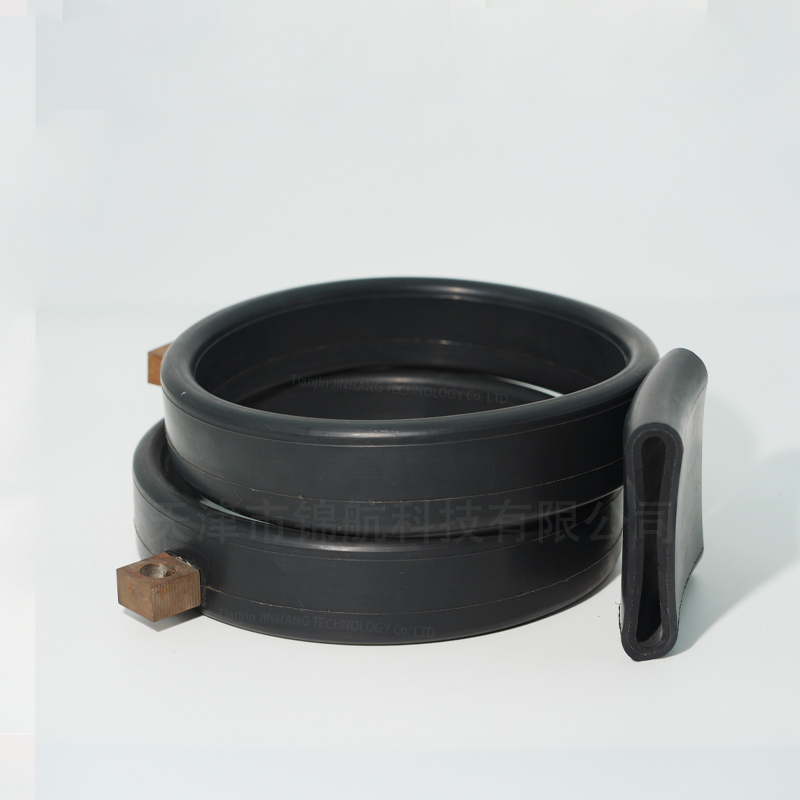
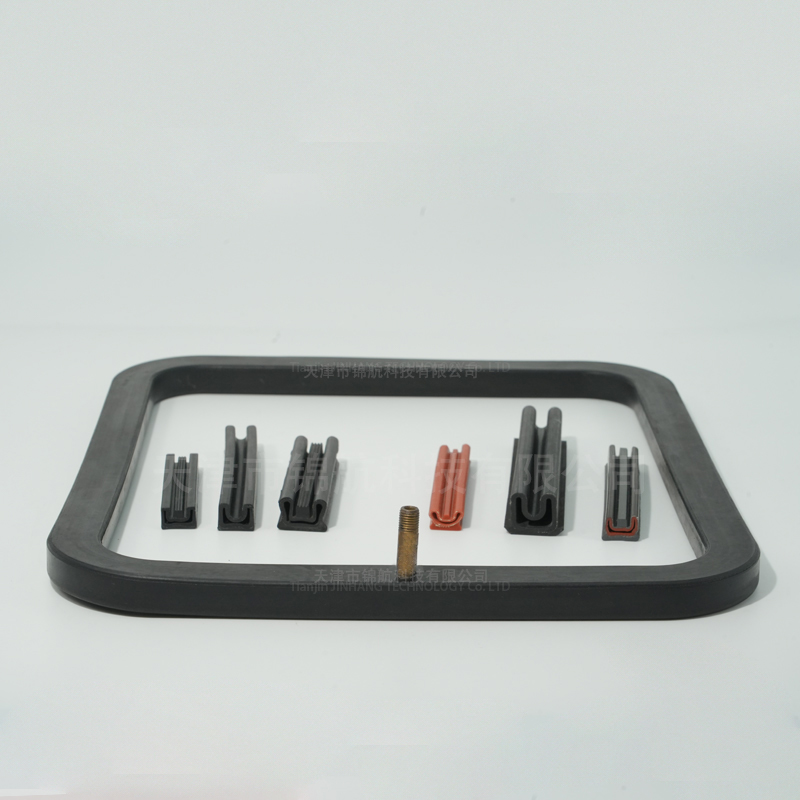
People’s Livelihood and Emerging Scenarios
Healthcare: The joints of the surgical robot and the tubing of the hemodialysis equipment are sealed with medical-grade silicone and have passed ISO 10993 biocompatibility certification to ensure a sterile environment and patient safety.
Smart home: Inflatable and adjustable food-grade silicone sealing rings are used in smart refrigerators and food storage containers to achieve precise food preservation; outdoor camping equipment such as inflatable tents and moisture-proof mats improve portability and comfort through flexible sealing.
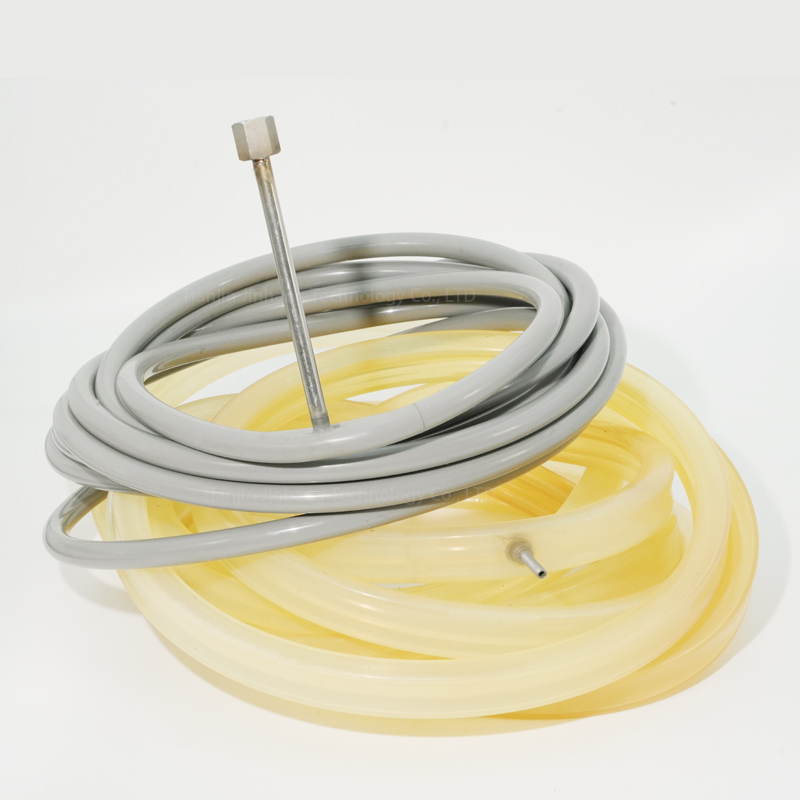
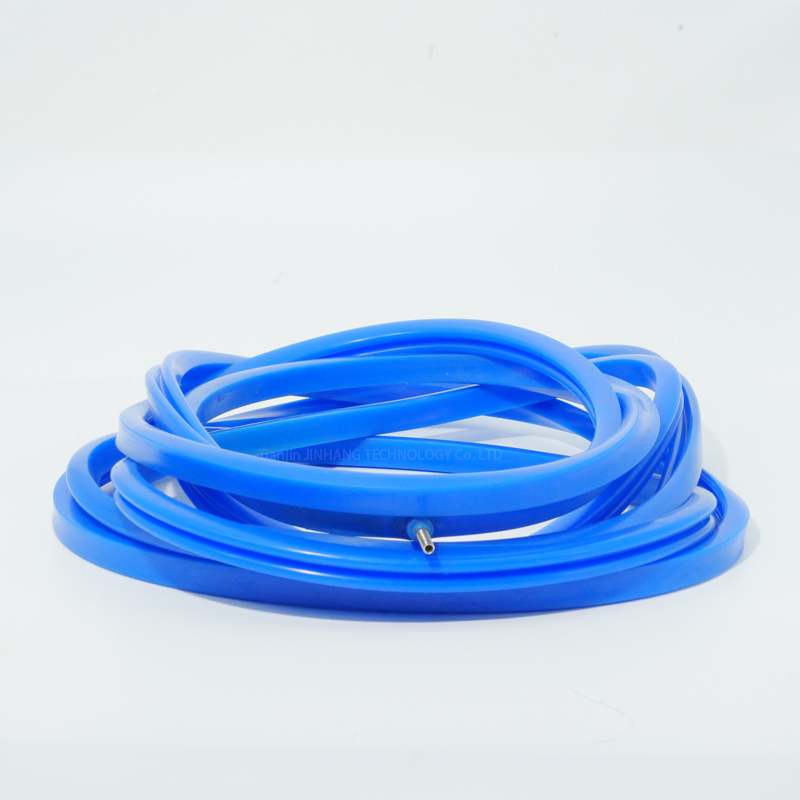
Future Trends: With the integration of smart sensors and digital twin technology, inflatable seals are evolving towards “proactive early warning + adaptive adjustment.” For example, smart seals integrating MEMS pressure sensors can monitor leakage in real time and issue early warnings. Combined with AI algorithms to predict maintenance cycles, this drives the industry’s transformation from “passive maintenance” to “predictive maintenance.” The global smart seal market is expected to exceed 5 billion yuan by 2030, becoming a key basic component in the Industry 4.0 era.