
In the aerospace field, the sealing performance of engine fuel lines is directly related to the success or failure of a mission. Recently, a domestically produced gas-filled sealing component completed a million start-stop cycle test on an aerospace engine test stand, with a sealing force attenuation rate of only 3%, far exceeding the industry standard limit of 20%, attracting industry attention.
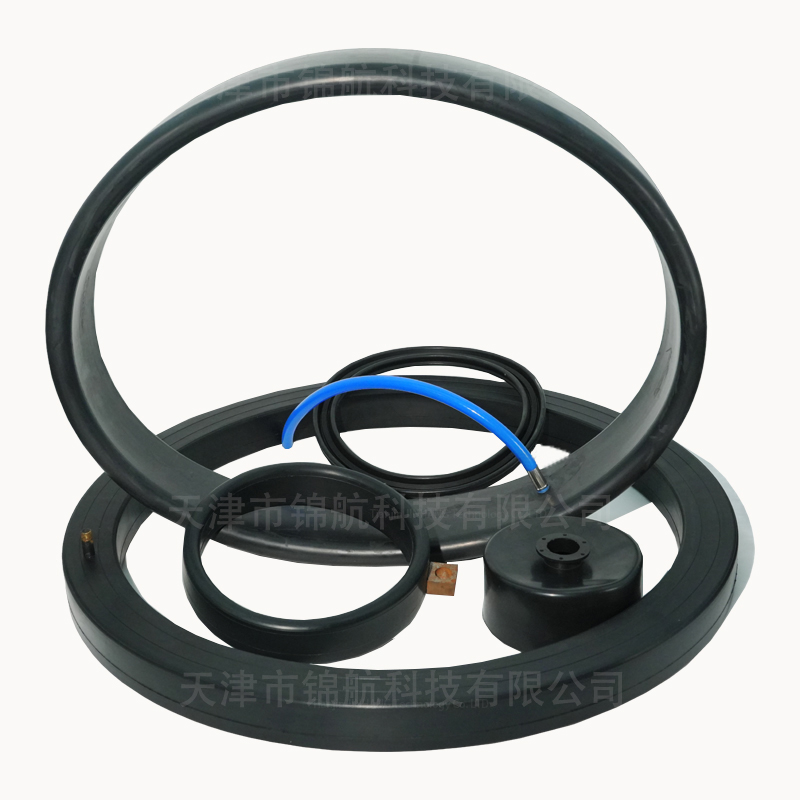
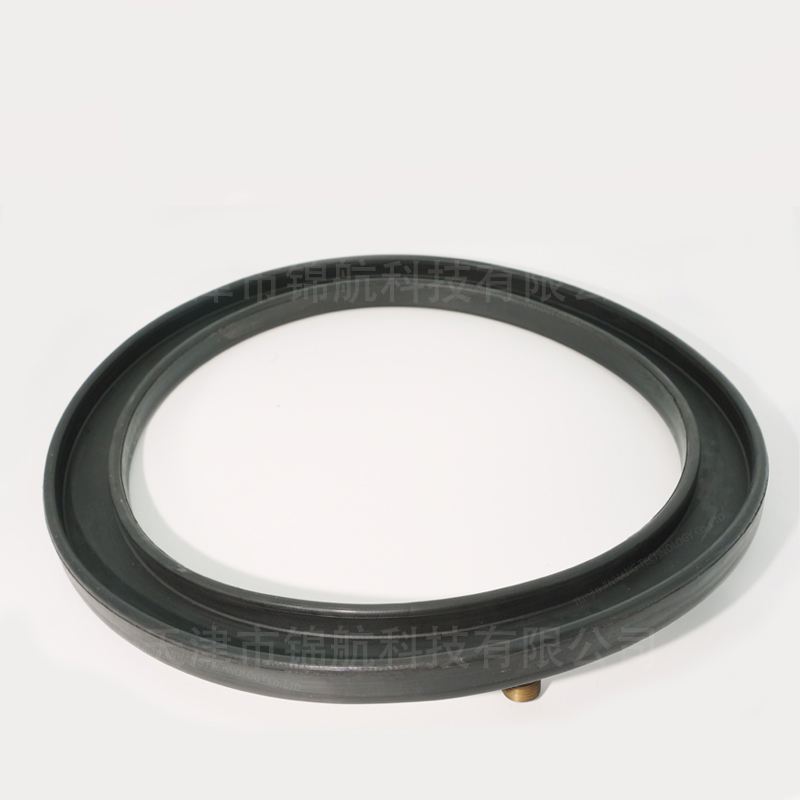
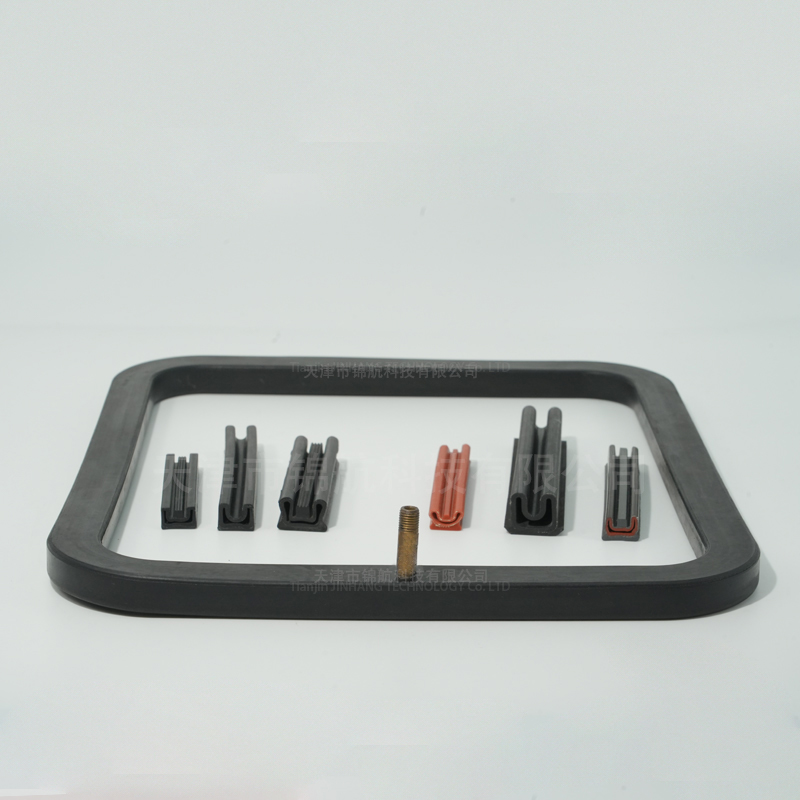
This seal employs a composite structure of fluorosilicone rubber and high-strength fibers, achieving an interpenetrating network connection between the rubber and the reinforcing layer through a dynamic vulcanization process, effectively improving fatigue resistance. During testing, the seal withstood high temperature, high pressure, and high-frequency vibration and impact under simulated extreme conditions of an aerospace engine, maintaining excellent sealing performance after millions of cycles, verifying its long-term reliability.
Technological breakthroughs stem from innovations in materials science and processes. Fluorosilicone rubber exhibits excellent molecular chain stability, resisting UV radiation, ozone, and chemical corrosion across a wide temperature range of -40℃ to 200℃; its gradient density braided structure effectively disperses stress concentration, preventing localized fatigue failure. Furthermore, a smart version integrating MEMS pressure sensors has entered the field testing phase, enabling real-time monitoring and early warning of leaks, driving the upgrade from “passive sealing” to “active early warning.”
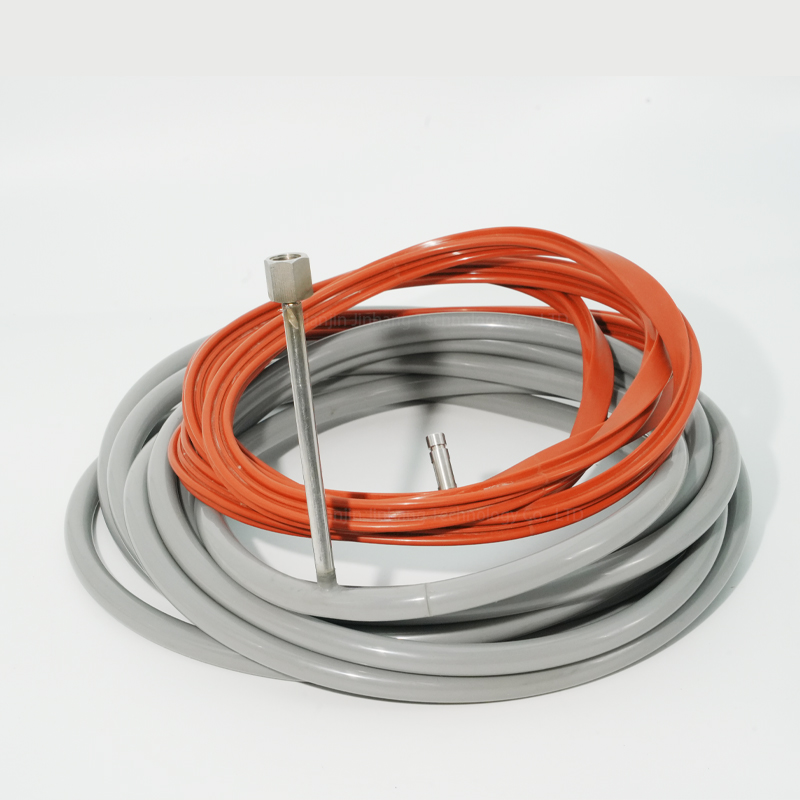
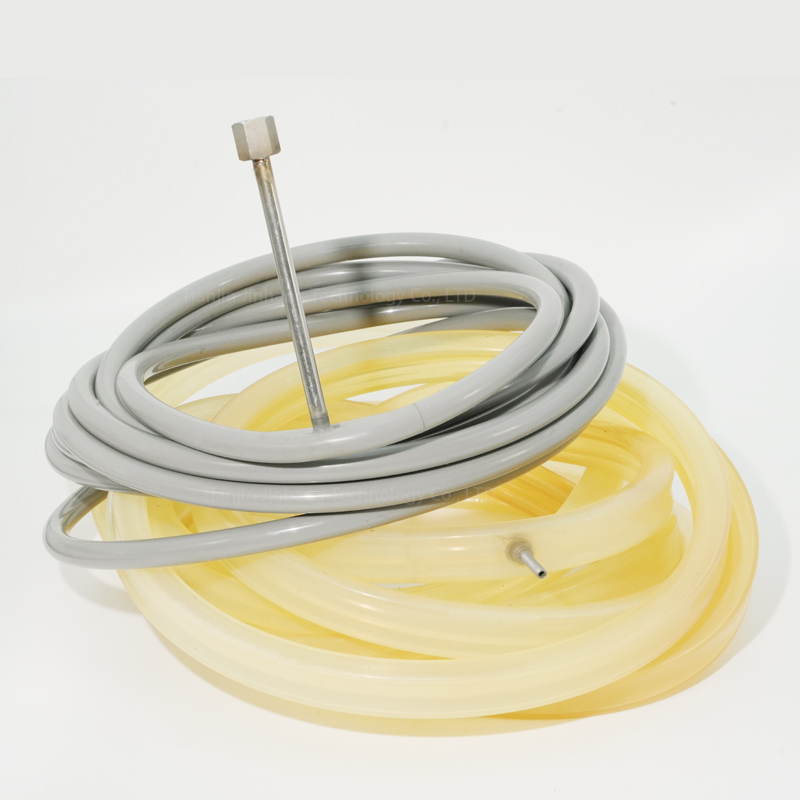
Technological breakthroughs stem from innovations in materials science and processes. Fluorosilicone rubber exhibits excellent molecular chain stability, resisting UV radiation, ozone, and chemical corrosion across a wide temperature range of -40℃ to 200℃; its gradient density braided structure effectively disperses stress concentration, preventing localized fatigue failure. Furthermore, a smart version integrating MEMS pressure sensors has entered the field testing phase, enabling real-time monitoring and early warning of leaks, driving the upgrade from “passive sealing” to “active early warning.”